


Most people think white hat SEO simply means “follow Google’s rules.” That’s partly true, but it misses the bigger picture.
For experienced SEOs, white hat isn’t about playing it safe — it’s about building an advantage that lasts. You design content, architecture, technical health, and brand signals in a way that keeps producing results even when Google updates its algorithm, SERP layouts shift, or competitors flood the market.
I’m Zohanuddin Shaikh, an SEO consultant based in Karachi, Pakistan, with 8 years of experience. This guide isn’t about the basics—you already know what a title tag is. Instead, we’ll cover what actually matters in today’s competitive SERPs: layered intent coverage, entity signals, crawl efficiency, topical systems, scalable E-E-A-T, and linkable assets that earn citations naturally. And we’ll connect it all back to results that matter—converting traffic, not vanity metrics.
You’ll leave with practical frameworks and checklists you can hand to an editor, developer, or junior SEO with confidence.
White Hat SEO: Strategy, Not Just Ethics
White hat SEO isn’t only about ethics—it’s a deliberate growth strategy. You reduce risk while building assets that compound over time.
Done well, white hat SEO:
- Helps people find answers faster and make better decisions
- Makes your pages easy for search engines to read and understand
- Improves performance, accessibility, and mobile usability
- Builds authority through genuine citations and mentions
- Holds up to both algorithm scrutiny and close manual review
The real test is simple: if Google reviewed your intent tomorrow, would you feel comfortable? White hat work passes that test. That’s the difference between a durable strategy and a fragile one.
The Ranking Stack: Fix the Right Layer
If you’ve run enough SEO campaigns, you’ve seen this happen: teams obsess over backlinks, publish endless content, or chase perfect Core Web Vitals scores while ignoring the actual problem.
White hat SEO works best when you treat the cause, not the symptom. Think in layers:
Layer |
Key Question |
What to Check |
|
Retrievability |
Can Google crawl and index reliably? | Canonicals, rendering speed, parameter traps |
|
Relevance |
Does the page actually answer the query? | Does it add something beyond the top 5 results? |
| Quality | Does the content truly solve the problem? |
Real examples, actionable steps, bookmark-worthy |
| Usability | Is it easy to read and navigate? | |
| Authority | Does the rest of the web support you? |
Trusted links, brand recognition |
The strongest wins improve more than one layer at once. For example, a better internal linking system can speed up crawling, distribute relevance, and improve user navigation—all simultaneously.
Stop Guessing: Model the SERP First
Professionals don’t just pick a keyword and start writing. First, they study the battlefield.
The obvious intent behind “white hat SEO techniques” is informational. But that’s not the full picture. Searchers may also want:
- A list of actionable techniques
- Insight into what black hat methods to avoid
- Tactics that still work today
- Safe link-building approaches
- A measurable plan with clear KPIs
If your page only covers the surface-level definition, it can’t compete with one that addresses the full bundle of intent.
Next, consider format. Checklists, comparison tables, and structured frameworks often outperform long essays. Match what works, then improve on it.
A simple technique: build an “intent map.” For each major section, add a clear definition, a deeper analysis with trade-offs, and a useful template, checklist, or diagram. That’s how you create pages that stand out instead of blending in.
Topic Clusters That Actually Deliver
In theory, clusters are simple: publish 10 articles, link them together, watch traffic grow. In practice, clusters fail when every article explains the same thing in slightly different words.
Organize by intent, not by keywords.
Your pillar page might cover the entire white hat system. Each supporting post should solve a distinct problem:
Supporting Content |
Purpose It Serves |
|
Downloadable checklist |
Quick reference for implementation |
|
Technical audit process |
Diagnosing site health |
|
Internal linking framework |
Distributing authority |
| Link-earning playbook |
Building citations safely |
| E-E-A-T setup guide |
Establishing trust signals |
| Content refresh system |
Maintaining freshness |
| Trust-building guide |
Overcoming credibility gaps |
Every page should serve its own purpose. If two posts target the same intent, you’re competing with yourself.
Advanced On-Page SEO: Add Real Value
If the top results all give the same advice, your job is to contribute something new. That might mean:
- A decision tree that clarifies trade-offs
- A scoring method to prioritize tasks
- A real process with specific responsibilities for each role
- A debugging checklist for ranking volatility
A well-placed “when not to do this” section can make your content stand out from generic guides.
Don’t use headings just to create outlines — use concepts and connections. Naturally incorporate ideas like crawling, canonicalization, E-E-A-T, structured data, internal linking, and SERP features, but only where they genuinely fit.
And remember: clever titles don’t earn clicks; clear promises do. Be specific about what readers will get, then deliver exactly that.
Make E-E-A-T Operational
For experienced SEOs, E-E-A-T isn’t about slapping an author bio on a page. It’s about process.
- Show how you do research
- Explain how you verify claims
- Document how you update content
- Disclose any partnerships or sponsorships
Even better, demonstrate your expertise:
- Share anonymized audit screenshots
- Show before-and-after fixes for architectural problems
- Include genuine templates you’ve actually used
You don’t need to reveal client names. You need proof of process. This is exactly why disclosure pages—like a clear editorial team and ethics policy—strengthen E-E-A-T signals.
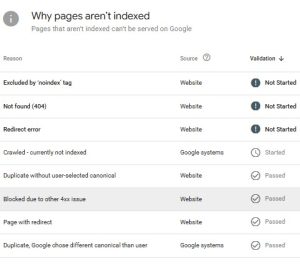
Technical SEO That Compounds
Index management is critical for advanced SEO systems.
Too many sites let low-value URLs spiral out of control—thin tag pages, endless filter combinations, and duplicate parameters. This lowers overall quality and wastes crawl resources.
Create a clear index policy:
- Index what matters
- Don’t index what doesn’t
- Canonicalize duplicates
- Shorten redirect chains
- Fix broken links
- Improve crawlability
Then treat performance as a product requirement, not an afterthought. Limit scripts, optimize images, and reduce third-party calls. Speed should be part of your system, not a one-time fix.
Don’t forget category hubs. When organized and maintained, they become valuable ranking assets instead of useless archives.
Structured Data without the Spam
Structured data works best when it clarifies—not when it manipulates.
Schema Type |
When to Use It |
When to Avoid It |
|
Breadcrumbs |
Reinforcing site hierarchy | Never problematic |
| Article | Genuine articles and guides |
On non-article pages |
| FAQ | When you truly answer the questions |
Stuffing irrelevant Q&As for space |
Short, direct answers under headings can also win “People Also Ask” placements. Keep them tight, useful, and grounded in reality. A misleading schema can trigger manual actions—never worth the risk.
Link Earning That Feels Natural
White hat link building isn’t about writing nice outreach emails. It’s about creating things editors genuinely wanted to cite as sources.
That might be:
- A report that sets a benchmark
- A new framework or system
- A genuinely helpful resource list
- A compelling data story
Package it well. Make it easy to find. Add visuals. Provide context.
Reclaim links wherever you can—unlinked brand mentions, image credits, and broken-link opportunities. Those are the easiest wins.
Keep outreach short and direct. Offer something of value. Don’t apply pressure.
Internal Linking as Distribution
Internal links shape how people discover content, how authority flows, and how topics are signaled.
Build hub pages for major topics—local SEO, e-commerce, technical SEO, link earning, and content strategy—and help readers understand them in a logical sequence.
Make sure older, related content links forward to newer posts. Fix orphan pages quickly. Automation can help, but review the suggestions carefully. Links should serve readers first.
Measure What Matters
SEO data can be noisy. Focus on signals tied to real outcomes:
Metric |
Why It Matters |
|
Clicks from real users |
Actual traffic, not just impressions |
|
Non-brand growth |
Genuine organic discovery |
|
CTR by query group |
Title and meta-effectiveness |
| Index coverage quality |
Healthy, intentional indexing |
| Content decay trends |
Pages losing traffic over time |
| Backlink growth to key assets |
Authority building where it counts |
When forecasting, don’t commit to a single number—plan for conservative, expected, and aggressive scenarios.
And when rankings drop, troubleshoot methodically:
- Did the SERP layout change?
- Did competitors improve?
- Did indexing break?
- Did search intent shift?
Usually the fix isn’t “more keywords”—it”‘s better alignment and clarity.
Common Advanced Mistakes
Mistake |
Why It Hurts |
|
Long guides that repeat basics |
Adds length without adding value |
|
Clusters that blur together |
Pages compete with each other |
|
Index bloat from thin pages |
Wastes crawl budget, lowers quality |
| Low-quality “safe” link tactics |
Provides no real authority |
| Slow, cluttered UX |
Drives users away, hurts signals |
| No content refresh system |
Pages decay and lose rankings |
White hat SEO requires discipline, not just good intentions.
FAQs
1. How can you build topical authority without index bloat?
Topical authority doesn’t require putting every URL into Google’s index. Publish as many supporting resources as you like, but only allow pages into the index if they meet a genuine search need and serve a clear purpose. Use canonical and noindex tags deliberately, so your authority concentrates instead of spreading thin across duplicate pages.
2. When should you consolidate content instead of expanding a cluster?
When two pages target the same intent, you’re competing with yourself. Watch for warning signs in Search Console — rankings fluctuating across URLs, impressions split between pages, or declining CTR. Consolidating into one stronger, clearer resource usually improves focus and performance.
3. Can you actually measure “information gain”?
Not directly, but you can observe the signals. Watch what happens after you add new frameworks, examples, or real-world insights. Do rankings improve? Do users scroll further? Are more sites linking to it? Are you earning featured snippets or PAA placements? If adding more than just keywords improves performance, you’re on the right track.
4. How do you scale E-E-A-T without slowing everything down?
Make it part of your routine so it runs automatically. Create simple processes — citation standards, author bio templates, editing checklists, clear update notes, and disclosure guidelines. Once these are in place, E-E-A-T becomes a normal part of publishing instead of a last-minute scramble.
5. What’s the safest way to earn links in difficult niches?
Before sending any outreach, create something genuinely worth talking about. Original research, practical frameworks, helpful tools, or well-curated resource centers consistently outperform generic guest posts. When you reach out, lead with value. Editors respond to useful resources, not cold pitches asking for favors.
6. How do you handle ranking drops without panicking?
Diagnose before you change anything. Did the SERP layout change? Did your internal links shift? Is there an indexing problem? Is the page simply outdated? Resist the urge to add keywords or rewrite everything overnight. First, confirm your content aligns with intent and is genuinely more useful than competitors.
7. Does the crawl budget matter for mid-sized sites?
It can, especially if your site structure is messy. URLs with many parameters, faceted filters, redirect chains, and thin tag pages all consume crawl resources. A crawl budget isn’t only about size—it’s about structure. Clean architecture lets Google focus on what actually matters.
8. How do you stay resilient when algorithms change?
You can’t predict updates, but you can build stability. Manage your index carefully. Align closely with intent. Avoid over-optimization. Earn genuine authority. Refresh aging content. Sites designed around user value consistently fare better through updates than those searching for loopholes.
9. When does structured data go too far?
Schema helps when it clarifies and hurts when it overreaches. Mark up what’s genuinely on the page. Don’t make exaggerated claims or stuff FAQs with irrelevant content just to claim more space. A misleading schema can trigger a manual action—and it’s never worth the risk.
10. How do you prioritize white-hat tasks in a crowded backlog?
Focus on leverage, not busywork. Start with technical problems blocking indexation. Then fix high-traffic pages losing clicks. Next, fill gaps in high-intent clusters. Finally, create link-worthy assets. Always tackle the constraint that delivers the most benefit first.
11. Do long articles still win in competitive SERPs?
Not by default. A well-organized 1,800-word guide full of real examples can outperform a rambling 3,000-word piece full of filler. Depth, clarity, and usefulness matter far more than word count.
12. When should you target competitive head keywords?
Wait until you’ve built momentum. Once your cluster earns links, your supporting pages rank consistently, and your internal linking adds depth, you’re ready to compete. Build a solid foundation before chasing competitive head terms—authority compounds over time.
Final Thoughts
At an advanced level, white hat SEO isn’t a one-time checklist — it’s an operating system for sustainable growth.
It brings together crawlability, relevance, usability, authority, and trust into a growth engine that keeps compounding. When you focus on layered intent coverage, clear index management, strong internal linking, and genuinely valuable assets, you stop chasing rankings and start building lasting visibility.
Algorithms will change. SERPs will shift. Competitors will publish more content. But a site with solid architecture, clear intent coverage, real expertise, and earned credibility doesn’t collapse when conditions get tough.
That’s the real strength of white hat SEO: not rapid spikes, but gradual, defensible, long-lasting growth.
For questions about applying these frameworks to your own site, feel free to reach out through my Contact page.
For more SEO guides, browse Search Engine Realm.
Last Updated: June 2026